Problem: You Cannot See What Is Failing From the Ground
Most building owners discover roof issues the worst possible way, through a stained ceiling tile or a puddle near an interior wall. By that point, the water has traveled. The entry point on the membrane is rarely above the stain, because water follows insulation seams, conduit, and structural decking until it finds a low spot. You cannot diagnose this from a parking lot, and you cannot diagnose it by looking up at the underside of the deck.
Solution: A Walked Inspection With Documentation
A real assessment means someone on the roof, on foot, checking every penetration, seam, drain, and edge detail. We photograph every issue and map where it sits relative to interior spaces. For larger Bellwood properties we also use infrared scanning after sunset to find wet insulation, which radiates heat differently than dry insulation. The deliverable is a written report with photos, a severity rating, and a recommendation. No pressure, no upsell. If you want a second opinion, take the report to another contractor. We have written more about how leak origin detection differs from spot repair if you want the technical side.
The walked inspection typically takes two to four hours depending on roof size and complexity. For a 50,000 square foot warehouse with multiple HVAC units, expect closer to a full day. We do not rush this. Skipping a single bad pitch pan because the wind picked up means missing the leak that floods your tenant six weeks later. Bellwood Metal Roofing prefers to reschedule a windy day rather than hand you an incomplete report.
Problem: Ponding Water Is Quietly Destroying the Membrane
Flat roofs are not actually flat. They are designed with slight slope toward drains, but over time insulation compresses, decking sags, and drains clog. The result is standing water that sits for days after a rain. Ponding accelerates membrane breakdown, voids most manufacturer warranties past 48 hours of standing water, and adds structural load you did not design for.
Problem: Penetrations and Flashings Are the First Things to Fail
The field of the membrane usually outlasts the details. HVAC curbs, pipe boots, gas line supports, skylight flashings, and parapet wall terminations are where almost every leak begins. Sealants dry, metal flashings rust at fasteners, and pitch pans crack as building materials expand and contract through Bellwood winters.
Solution: Baseline Reports You Can File With
Our written assessment serves as a date stamped baseline. If a storm hits next spring, you have documented pre storm condition. We also do post storm inspections and coordinate directly with adjusters, providing photo evidence and moisture readings that support legitimate claims.
What to Have Ready Before the Inspection
To make the visit productive, gather a few items if you can:
- Any prior inspection reports, warranty documents, or repair invoices
- A list of known leak locations inside the building, with dates if available
- Roof access details, including ladder location, hatch keys, or required safety briefings
None of this is required. Bellwood Metal Roofing can inspect without any history at all. But existing records help us spot patterns faster and saves you money on diagnostic time. Call when you are ready, severity gets assessed on the phone and the inspection is scheduled from there.
Solution: Honest Remaining-Life Estimates
We pull small core samples in representative areas to check insulation moisture and membrane thickness. Combined with the visual survey, this tells us where the roof sits in its service life. From there the conversation is straightforward, repair, coat, or replace. We have a longer breakdown of that decision in our piece on when coating makes sense versus full replacement. Whatever the answer, you get it in writing with numbers attached.
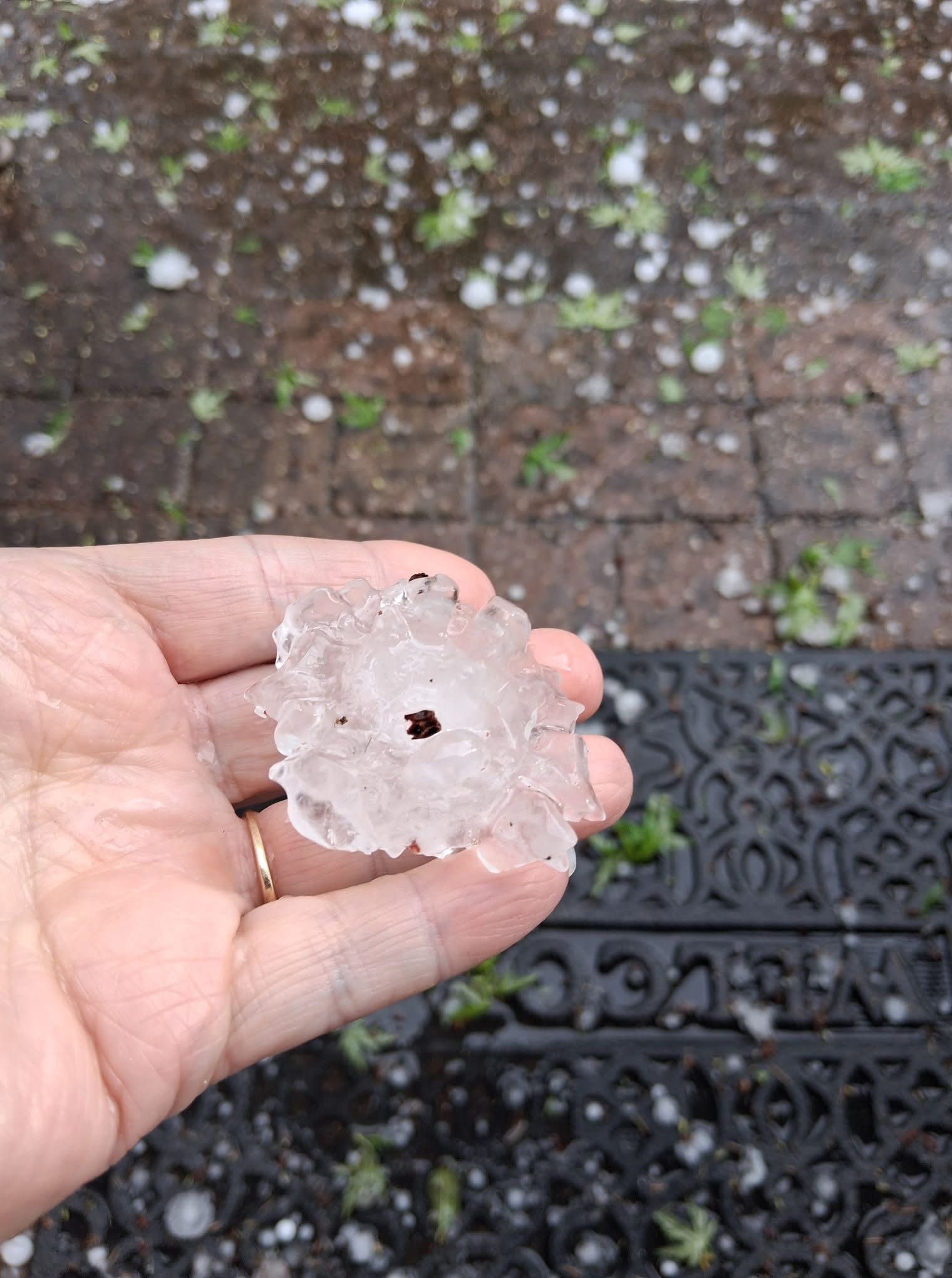
Problem: Storm Damage Insurance Claims Get Denied Without Documentation
After a hail event, insurance adjusters want proof that damage is recent and weather related, not pre existing wear. Without baseline inspection records, claims get reduced or denied.
Solution: Drainage Correction and Targeted Reinforcement
During the assessment we mark ponding areas with chalk and measure depth. Fixes range from cleaning drains and adding crickets, to tapered insulation in chronic low spots, to a full re slope on systems past their service life. We explain the cost tier honestly. A clogged drain is a 150 dollar fix. A tapered insulation retrofit on a 20,000 square foot roof is a different conversation, one worth having before the next freeze locks that water into ice.
Ice loading is the part most owners underestimate. A ponded area two inches deep across a 400 square foot section weighs roughly 4,000 pounds when frozen. That load sits on insulation that has already been weakened by moisture intrusion. We have seen decking fail in Bellwood buildings where the original construction was sound, but a decade of unaddressed ponding created a soft spot the size of a parking space.
Solution: A Penetration by-Penetration Audit
We count and check every penetration on the roof. The inspection report lists each one with its condition. Items get sorted into three buckets:
- Repair now, active or imminent leak risk
- Repair within 12 months, deterioration visible but not yet failed
- Monitor, acceptable condition for current cycle
This lets you budget honestly instead of reacting. It also keeps small issues from becoming the kind of emergency where we are racing to tarp an active commercial roof leak during a thunderstorm.
On a typical Bellwood commercial roof we count between 30 and 80 individual penetrations. Each one gets a photo and a note. When the inspection is over, you know exactly which six pitch pans need attention this fall and which twenty can wait until next year. That kind of detail is what separates a real assessment from a sales pitch dressed up as an inspection.
Problem: You Do Not Know How Much Life Is Left
A roof that looks tired might have five good years left, or it might be six months from a full tear off. Without core samples and a proper condition report, you are guessing, and guessing leads to spending repair money on a roof that needs replacement, or replacing a roof that just needed maintenance.